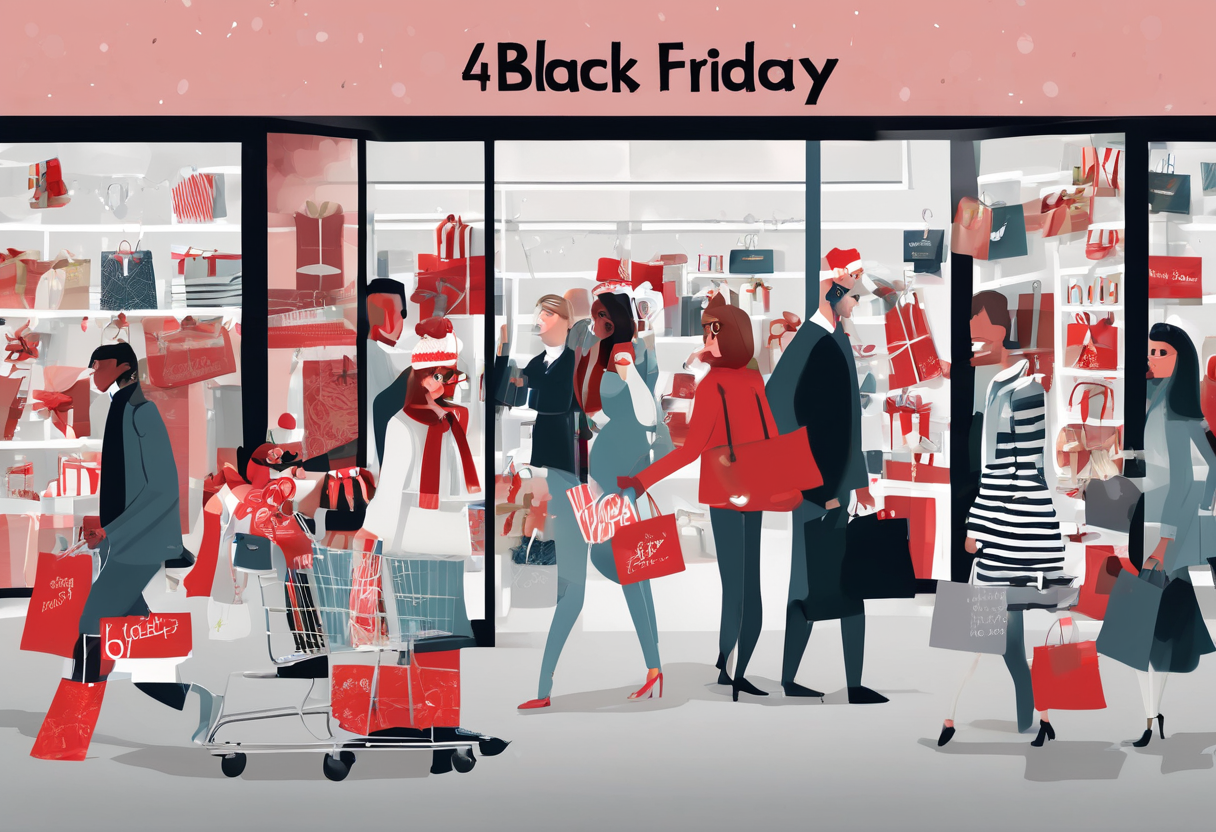
Black Friday is known as the biggest shopping day of the year, with stores offering deep discounts and crazy deals to entice customers. But how did this retail frenzy come to be? Let’s take a look at the timeline of Black Friday and how it has evolved into the shopping extravaganza we know today.
The term “Black Friday” was first used in the 1950s, referring to the heavy pedestrian and vehicle traffic in the downtown shopping districts after Thanksgiving. However, it wasn’t until the 1980s that retailers started using the term to describe the day as the start of the holiday shopping season. In the early years, stores would open early, around 6 or 7am, to kick off the shopping day. But as competition grew, retailers started opening their doors even earlier, with some stores offering midnight sales for the first time in 2011.
Today, Black Friday has expanded beyond just one day. Many stores now offer extended sales and promotions throughout the entire Thanksgiving weekend, starting with Thanksgiving night. This has led to the rise of “doorbusters,” limited-quantity items offered at a heavily discounted price to entice customers to line up and wait outside the store before it opens. Some stores even go as far as to offer pre-Black Friday sales, turning the shopping bonanza into a week-long event. And with the advent of online shopping, Cyber Monday was also born, extending the shopping craze to the digital world.
From its humble beginnings as a traffic-related term to a nationwide shopping extravaganza, Black Friday has become deeply ingrained in American culture. And while it may have its critics, there’s no denying the excitement and adrenaline rush that comes with scoring the best deal and being a part of the craziness on this infamous shopping day. So get ready to grab your shopping list, your coffee, and your patience, because Black Friday is just around the corner.